A Comprehensive Overview of Equalization (EQ)
An Equalizer (EQ) is an audio processing device or software used to independently adjust the gain of different frequency components within an audio signal. Its core function is to reshape the frequency response of the audio signal by boosting or attenuating the energy in specific frequency bands to correct tonal issues, optimize listening quality, or create specific sound effects.
1. Core Concept: The Sound Sculpting Tool
Sound is composed of vibrations at different frequencies. Imagine the entire audible spectrum (20Hz - 20kHz) as a beam of light. An EQ acts like a set of precise filters and controls, allowing you to individually "brighten" or "darken" specific parts of this "spectrum."
- Boost/Cut: The fundamental action of an EQ, increasing or decreasing the level of a selected frequency band.
- Purpose: To alter the "color" and "texture" of sound, which is why EQ is often called the "scalpel for sound."
2. Key Parameters of an EQ
To understand an equalizer, you need to know its core parameters:
- Frequency:
- The target frequency band you wish to adjust. Measured in Hertz (Hz). For example, 100Hz represents low frequencies, 1kHz represents mid frequencies, and 10kHz represents high frequencies.
- Gain:
- The amount of boost or cut applied to the selected frequency band. Measured in Decibels (dB). +3dB means boost, -6dB means cut.
- Q Factor / Bandwidth:
- One of the most critical parameters. It defines how wide or narrow the affected frequency range is.
- High Q (Narrow Bandwidth): Affects a very narrow range of frequencies. Ideal for surgically addressing a specific resonance or removing precise noise (like feedback).
- Low Q (Wide Bandwidth): Affects a broad range of frequencies. Suitable for general tone shaping, like adding overall warmth or brightness.
- Filter Type:
- EQs provide various filter types to handle different processing needs.
3. Main Filter Types and Their Applications
- Peak/Dip Filter (Bell Curve):
- Shape: Resembles a hill or a valley.
- Function: Boosts or cuts a band of frequencies centered around a selected frequency.
- Application: The most common and versatile filter. Used for sweetening vocals, adding punch to a guitar, or reducing boxy resonances.
- Low-Pass Filter (LPF):
- Function: Allows frequencies below the cutoff frequency to pass through, while attenuating frequencies above it.
- Application: Removing high-frequency hiss, creating a "telephone" effect, or removing unwanted ultra-high frequencies from a bass or kick drum.
- High-Pass Filter (HPF):
- Function: Allows frequencies above the cutoff frequency to pass through, while attenuating frequencies below it.
- Application: Extremely important. Used to cut unwanted sub-sonic and low-frequency rumble (e.g., plosives, wind noise, AC hum) from vocals, guitars, etc., cleaning up the mix.
- Band-Stop Filter (Notch Filter):
- Function: Cuts a very narrow band of frequencies.
- Application: Primarily used to eliminate specific, problematic resonant frequencies or feedback.
- Low-Shelf Filter:
- Function: Boosts or cuts all frequencies below the shelf frequency.
- Application: To add overall warmth or reduce muddiness to a track.
- High-Shelf Filter:
- Function: Boosts or cuts all frequencies above the shelf frequency.
- Application: To add overall "air" and brightness or reduce harshness in a track.
4. Main Types of EQs (By Control Method)
- Graphic Equalizer:
- Characteristics: Features a series of fixed-frequency sliders. Each slider controls a specific frequency band. The interface is intuitive, resembling a "frequency response graph."
- Application: Common in live sound, car audio, and consumer audio players for quick overall tonal adjustment.
- Parametric Equalizer:
- Characteristics: The most powerful and precise type. Allows full control over each band's Frequency, Gain, and Q Factor.
- Application: The absolute workhorse in music production, mixing, and mastering for surgical correction and detailed tone shaping.
- Semi-Parametric Equalizer:
- Characteristics: Similar to a parametric EQ, but some bands may lack Q control, making it a simplified version.
5. Core Applications of EQ
- Correction and Repair:
- Fix Problems: Cut unwanted low-end rumble (HPF), reduce harsh resonances, eliminate microphone feedback.
- Compensation: Remedy frequency deficiencies caused by recording equipment or the environment.
- Tonal Shaping and Enhancement:
- Vocals: Boost 3-5kHz for "presence"; boost 10kHz+ for "air"; cut 200-500Hz to reduce "muddiness" or "nasal" quality.
- Kick Drum: Boost 60-80Hz for "weight" or "thump"; boost 2-4kHz for "click" or "attack."
- Bass Guitar: Boost 80-100Hz for "fullness"; boost 700Hz-1kHz for "pluck" or "articulation."
- Creating Space in a Mix:
- By selectively attenuating less important frequencies of one instrument, you can "make room" for another. For example, cutting low frequencies from a guitar makes more space for the kick drum and bass.
- Creating Special Effects:
- Such as creating a "telephone" effect (aggressively cutting low and high frequencies) or simulating an old radio.
6. Important Principles and Techniques
- Subtractive EQ Before Additive: First try to improve the sound by cutting problematic frequencies rather than just boosting. This often yields a more natural and cleaner result.
- Less is More: Subtle adjustments (1-3dB) are often more effective than drastic boosts or cuts. Overusing EQ can make sound unnatural, harsh, or thin.
- The "Sweeping" Technique: To find a problematic frequency, create a narrow Peak filter with high gain and slowly "sweep" it across the frequency spectrum. When the sound becomes particularly unpleasant or prominent, you have likely found the problem frequency. Then, reduce the gain to cut the frequency and adjust the Q as needed.
- EQ in Context: EQ adjustments made while listening to a soloed track may not work in the full mix. Always check your EQ settings in the context of the entire song.
Summary
EQ is a cornerstone of modern audio processing. It is ubiquitous, from music producers meticulously crafting the tone of each track, to live sound engineers suppressing feedback, to everyday users adjusting the sound on their phones. Understanding the principles and techniques of EQ equips you with the powerful ability to shape and control sound, whether for achieving accuracy, creating beauty, or simply for enjoyment.
-
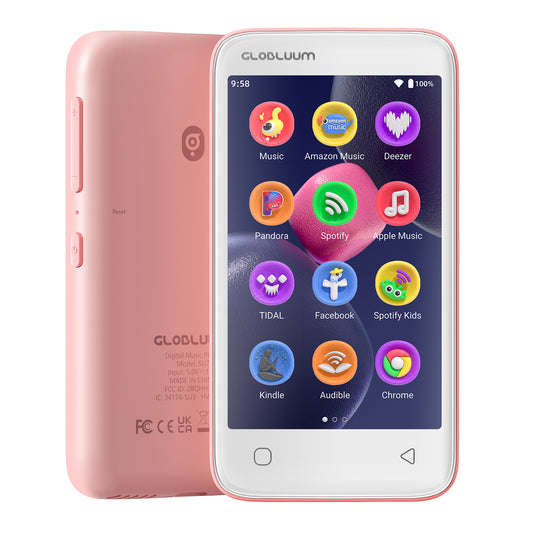
SU9 Android Streaming Music Player with Bluetooth & WiFi, 4" Touchscreen MP3/MP4 Player
Vendor:GlobluumRegular price $79.99 USDRegular priceSale price $79.99 USD -
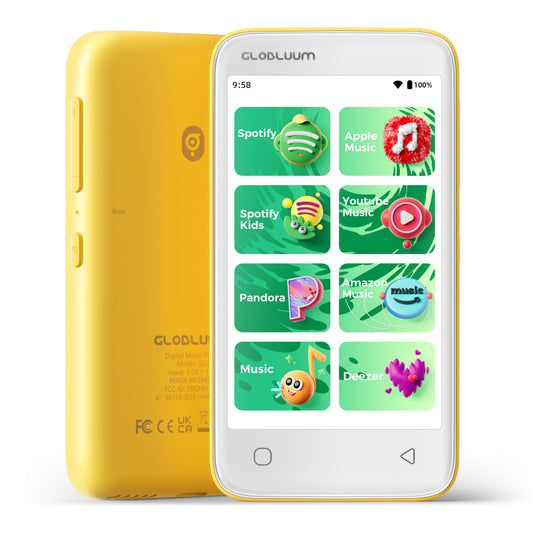
SU3 Safe Kids MP3 Player with Parental Controls. Supports Spotify Kids, Apple Music, Audible, Kindle. Great Gift for Kids.
Vendor:GlobluumRegular price $69.99 USDRegular priceSale price $69.99 USD -
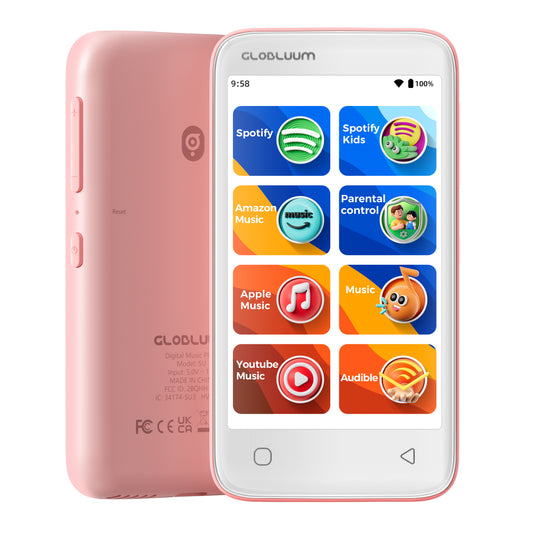
SU5 Digital Music Player for Kids, 4" Full Touch Screen MP4 with Spotify, Spotify Kids, Google Play, Audible and Speaker.
Vendor:GlobluumRegular price $59.99 USDRegular priceSale price $59.99 USD -
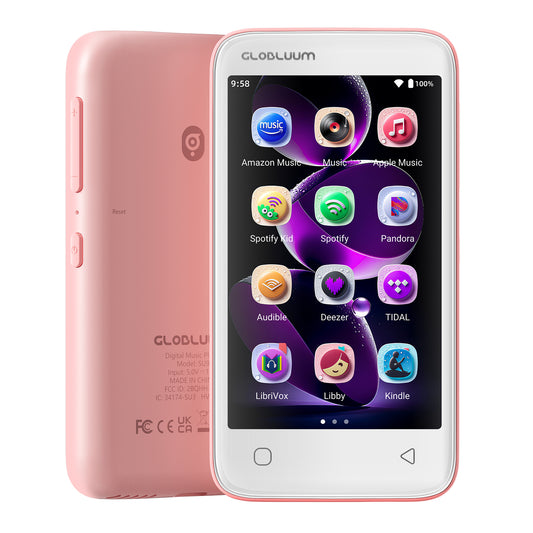
SU7 Digital Audio player with Bluetooth & Wi-Fi, Music player with Spotify, Pandora, Tidal, Deezer, Audible, Kindle and Speaker.
Vendor:GlobluumRegular price $69.99 USDRegular priceSale price $69.99 USD