Why You Should NOT Set Your SD Card as “Internal Storage”
Share
Some users ask: if I format my SD card as “internal storage”, won’t that perfectly solve my storage space anxiety?
The answer is: we strongly advise against it.
On the surface, it looks like a shortcut to more space. But in practice, the problems it creates far outweigh the benefits. Let us explain why, from four key perspectives.
1. Vastly Different Read/Write Speeds – A Serious Performance Bottleneck
This is the most fundamental reason.
The built‑in storage chip (ROM + RAM) in our player delivers read/write speeds of several thousand MB/s, with extremely strong random read/write performance. Even a top‑of‑the‑line microSD card can only manage speeds in the hundreds of MB/s for sequential reads/writes, and its random read/write (IOPS) performance is especially weak.
When the system runs apps installed on an SD card:
- Apps launch slowly
- Interface scrolling becomes choppy
- Under heavy load, frames drop and responses lag
This isn’t something optimisation can fix. It’s a physical speed gap.
2. High Data Security Risks – And They’re Irreversible
When you format an SD card as “internal storage”, the system encrypts the entire card and ties it tightly to that specific device.
This means:
- Cannot read the card on another device – Plug it into a computer, and it won’t be recognised.
- Permanent data loss if something goes wrong – If you accidentally remove the card, or the device fails, all data becomes unreadable garbage. There is no normal way to recover it.
- The process is irreversible – To undo the “merged” state, you usually have to format the card, wiping all data.
In short: you might gain a few tens of gigabytes, but you could lose your entire data set.
3. Accelerated Hardware Wear and System Instability
SD cards were designed for static media files: music, videos, audiobooks, photos. Their job is “write once, read many times” – not the high‑frequency, random read/write pattern of a system drive.
Using an SD card as internal storage over the long term leads to:
- Premature aging – Frequent writes and erases shorten the card’s lifespan.
- Risk of data corruption – Lower‑quality or older cards may simply “disappear” (drop offline).
- System oddities – Poor contact or compatibility issues can cause missing desktop icons, settings crashes, or even bootloops (endless restart cycles).
These “mysterious” problems are far more expensive to diagnose than simply buying a larger‑capacity SD card in the first place.
4. The Software Ecosystem Has Moved On
As Android has evolved, Google has significantly restricted or even removed system‑level APIs that allow apps to be migrated to external storage (starting from Android 10/11).
What does that mean in practice?
- Even if you set your SD card as internal storage, many mainstream apps will still keep their core data on the built‑in storage.
- Developers cannot optimise for hundreds of different SD cards with wildly varying performance – it’s an impossible task.
From a software perspective, “SD card as internal storage” is an abandoned, legacy approach that modern design has left behind.
So, how should we use an SD card?
The safest, most reasonable practice remains:
Keep your SD card as “Portable Storage”
Use the SD card exclusively for:
- FLAC lossless music files
- Video files
- Audiobooks and podcasts
- Offline map data – in other words, large, static files that are written infrequently and read often
Let the system and all apps live comfortably on the fast, stable, and secure built‑in storage.
This way, you enjoy the capacity expansion that an SD card offers, while completely avoiding the pitfalls of performance, security, and stability.
Final thoughts
We understand that you care about storage space. But the “merge SD card as internal storage” path trades speed, stability, and data security for cheap capacity – the cost is far greater than the benefit.
The best way to expand storage is never to “repurpose” an SD card, but to use it for what it does best: a high‑capacity warehouse for static media.
We hope this article saves you from unnecessary trouble. If you have a special use case that genuinely requires more space, please feel free to contact our customer support team – we’ll be happy to offer more specific advice.
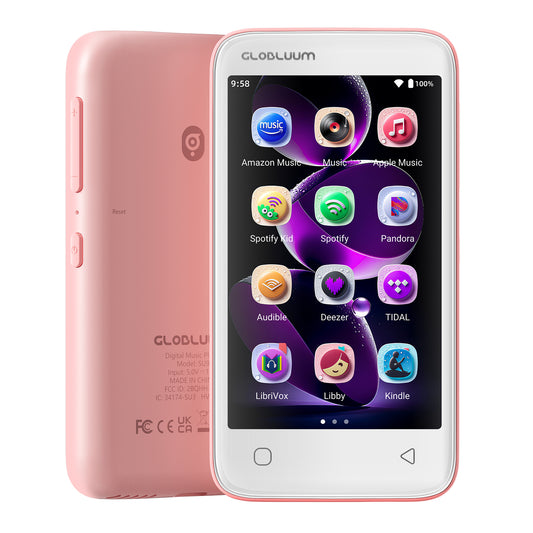
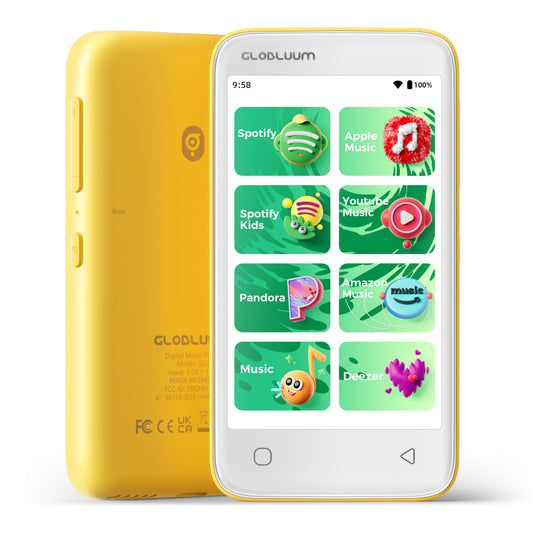
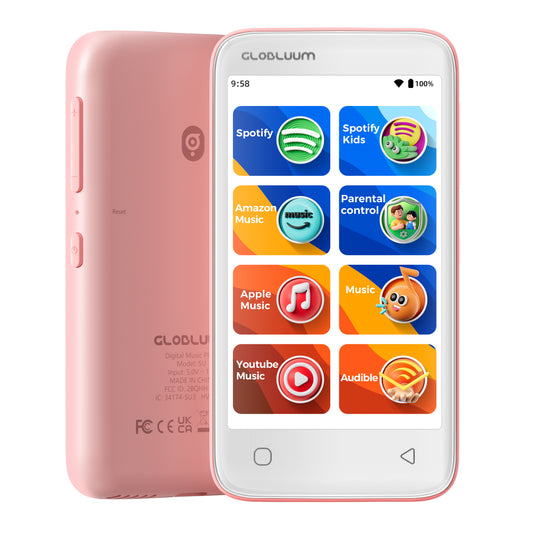
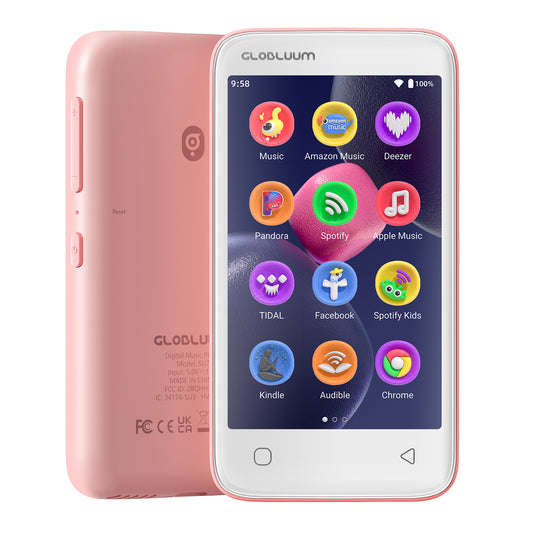
Globluum Android Music Player
Supports up to 1TB portable SD card expansion · Built for lossless music and long battery life