
How I Use an Android MP3 Player for Language Learning (Audible + Podcasts, No Distractions)
Share
To be honest, I tried learning a language with my phone. And I failed every time. Not because I'm lazy — but because my phone is just too “helpful.” I'd open a French podcast, listen for three minutes, then a text message popped up: “Your package has arrived.” I'd dismiss it and go back. Two minutes later, a TikTok notification: “Your friend posted a new video.” Dismissed again. Then I wanted to look up a word, opened the browser, and half an hour later I was watching cat videos.
Then I switched to a dedicated Android MP3 player. You know, the kind that runs apps but doesn't have phone functions. The difference was immediate. Here's how I use it for language learning.
Why an MP3 player instead of a phone?
- No notifications – No texts, no WhatsApp, no email alerts. What you open is what you get, ten minutes later.
- No “just a quick scroll” – Phones are so convenient that you unconsciously open social apps. On my dedicated player, I only installed Audible, a podcast app (like Pocket Casts or AntennaPod), and a dictionary app. No games, no short videos, no shopping sites.
- Offline learning – I download everything and turn off Wi‑Fi. On the subway, on a plane, or on a park bench — zero network distractions.
- Rest for your eyes – Phone screens tempt you to look. An MP3 player has a small screen, and you don't need to stare at it. Put it in your pocket, wear headphones, and walk while you listen.
Step 1: Install the core apps
My player runs Android and has Google Play. I only installed three apps:
- Audible – Amazon's audiobook app. I buy simplified classics or original audiobooks in my target language. For example, I listen to The Little Prince in Spanish, or short fairy tales in Japanese. Audible supports speed adjustment (0.5x–3.5x), so I can slow it down when I'm a beginner.
- A podcast app – I use Pocket Casts (paid but good). You can also use free AntennaPod or even Spotify. I subscribe to language‑learning podcasts like “Coffee Break Spanish” or “News in Slow French.” Each episode is 10–20 minutes, designed for learners.
- A dictionary app – I use Merriam‑Webster or DeepL (depending on the language). When I hear a new word, I pause and type it in. It's slower than on a phone — but that slowness actually helps me remember it better.
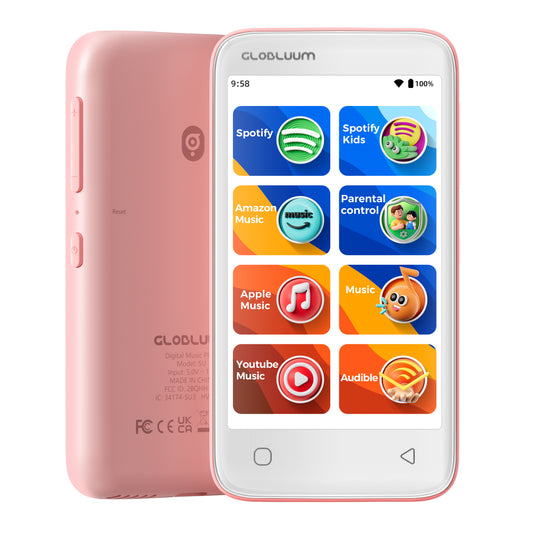
I don't install anything else. I even disable Google Play (using parental controls) to stop myself from cheating.
Step 2: Build an “immersive” listening routine
The key to language learning is lots of comprehensible input. Here's my daily routine:
- Morning commute (30 min) – Listen to one podcast episode. First at normal speed, just for gist. Then at 0.8x, repeating each sentence out loud (shadowing). The player has physical buttons, so I can pause, skip, or go back without looking at the screen.
- Lunch walk (20 min) – Listen to an audiobook on Audible. Choose a book you've already read in your native language, so you can guess the story even if you miss a word. I use the loop feature to repeat a chapter three times.
- Doing chores (30 min) – Clip the player to my apron pocket or collar. Listen to already‑familiar content and shadow along. Without a screen to look at, I rely entirely on my ears — which trains my auditory memory.
- Before bed (15 min) – Low volume, easy slow story. Some people say listening to a foreign language before sleep helps internalize grammar overnight. I don't know if that's true, but it's definitely better than scrolling through social media.
Step 3: Use the player's special features to boost efficiency
- Speed adjustment – Almost all podcast apps and Audible support variable speed. I listen to new material at 0.7x first, then speed up to 1.2x once I'm familiar.
- Sleep timer – When studying before bed, I set a 30‑minute sleep timer. The player stops automatically, saving battery.
- Equalizer – Hiby Music (normally for music) can also play downloaded audio lessons. I set the EQ to “Voice” or “Vocal” to make the speaker's voice clearer.
- Folder management – I create a “Language” folder inside the player's “Music” directory, with subfolders for each language: Spanish, French, Japanese. I put downloaded podcast episodes (if the app allows export) or my own recordings of shadowing practice there, and play them with any music app.
Step 4: Discipline and persistence – the biggest benefit of no distractions
The best thing about a dedicated player isn't any single feature — it's the mental bandwidth. When you use your phone, your brain stays in “multitasking alert mode,” always expecting a new notification. A dedicated player puts you in single‑task mode. You can only listen. You can only learn. There's no other choice.
That “boredom” becomes a catalyst for deep learning. I started noticing details I'd missed before: linking, weak forms, intonation changes. I unconsciously imitate. After one month, my listening ability improved noticeably.
A final tip
If you want to use this method for language learning, follow two strict rules:
- Absolutely no entertainment apps on the player (Spotify for music? Use another device or your phone). This device is only for learning.
- At least 30 minutes every day — keep the player with you and use every bit of fragmented time: waiting for a bus, standing in line, washing dishes, walking.
You'll find that language learning is no longer a chore that requires “special time” — it becomes a background rhythm woven into your daily life.
Give it a try. Your next language exam score might be hiding right in your headphones.
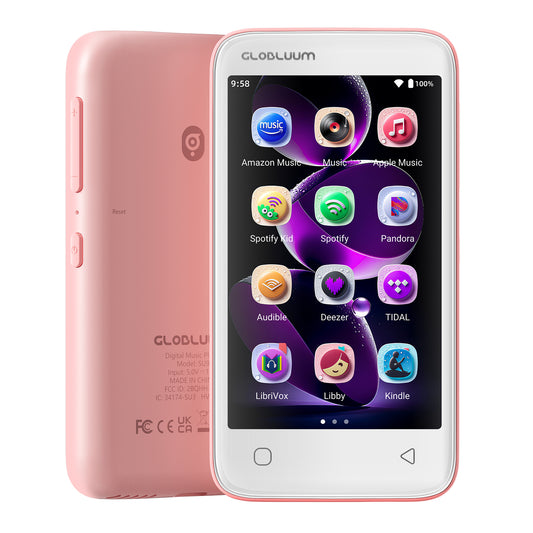
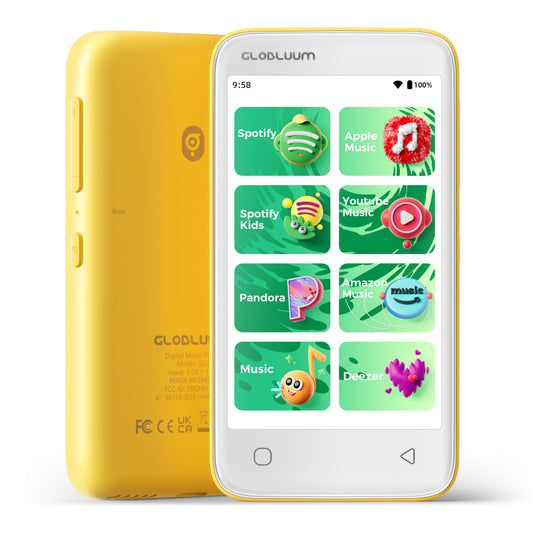
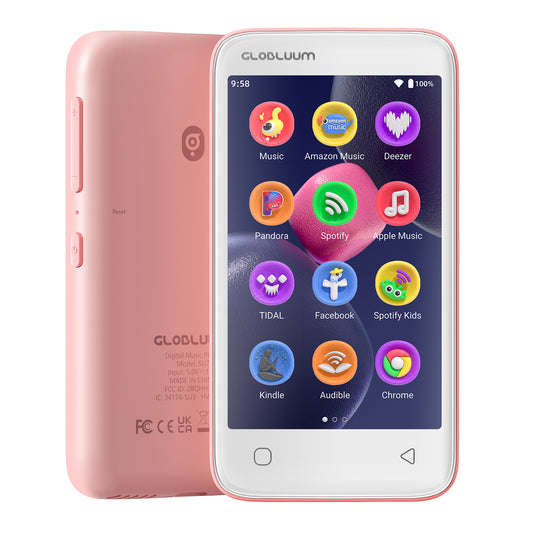
Globluum MP3 Player
Android 14 · Install Audible / Podcast apps · No phone distractions · Parental controls · Perfect for immersive language learning




1 comment
How