Have you ever opened a book, but just couldn’t get into it?
It’s not the book’s fault. It’s your ears protesting.
Too quiet, and your brain becomes hyper‑sensitive to every tiny sound — the neighbor’s AC, footsteps upstairs, even your own breathing. Too loud… well, you know the drill.
I’ve tried so many “study playlists”. Most of them make the same mistake: they try too hard to be heard. Sudden climaxes, emotional rollercoasters, or a melody so catchy you put down the book to look up the track name.
So I made my own. It’s not built to be “beautiful”. It’s built to let you forget it’s even playing.

🎧 The 10 tracks below have been the background to seven books I’ve read over the past three months. Put them in order, search them up, and drop them into a new playlist.
📻 The Reading Soundtrack (10 tracks, ~45 minutes)
- Gnossiennes No.1 Lent – Satie (Anne Queffelec)
- What Remains of Our Chalk Road – CircadianEyes
- Gently Dreaming – Peter Kater
- Through the Arbor – Kevin Kern
- The Canon Stirs – Dan Gibson
- Rainy Saturday Afternoon – January
- A Sleeping Forest – Daydream
- Memories of an Ancient City – Naoyuki Onda
- Tears of The Sea (Interlude2) – goodmachineoil
- Departures - memory - – Joe Hisaishi
If you use Spotify or Apple Music, just copy‑paste the “track name + artist” above. Most of them will show up. A few have Japanese titles – but the English names work too.
🕯️ Why these 10? How do they “disappear” into the background?
1. Gnossiennes No.1 Lent – The quiet textbook
Satie supposedly wrote on the score: “Do not read aloud.” There are no frills, just empty space between the notes. Like a friend who sits in the same room without saying a word. This is the foundation of the entire playlist.
2. What Remains of Our Chalk Road – A faint electronic pulse
A very light synth pulse, like a heartbeat. But the melody is weak enough that it never hooks your attention. It’s perfect for those first few minutes when you sit down and haven’t quite sunk into the text yet – it helps your brain switch from “outside” to “inside the book”.
3. Gently Dreaming – Spreads like water
From Peter Kater’s “Water” series. Nearly eight minutes, no obvious main melody – just piano chords spreading like ripples. Perfect for long novels or any text that requires deep, continuous immersion. You won’t notice it changing, but if you take off your headphones halfway, the room will feel unbearably dry.
4. Through the Arbor – Classic, but not because it’s pretty
Kevin Kern’s piece has been used a million times. What makes it work is that it stays in the middle register – no sudden high notes to stab your ears. The rhythm is steady, like a walk, not a run. Very friendly to most non‑fiction books.
5. The Canon Stirs – Ocean waves + Canon, white‑noise style
You think you hear Pachelbel’s Canon, but what you really hear is the ocean. Dan Gibson hides the familiar melody behind field recordings, softening it just enough so it never steals the show. This is the best “noise‑masking” track on the list – if there’s construction or traffic outside, this one saves you.
6. Rainy Saturday Afternoon – Rain without opening the window
The title says it all. The piano comes with a soft layer of rain sampling. It creates that safe feeling of “it’s raining outside, and I’m reading indoors.” You don’t need real rain – this track gives you the whole atmosphere.
7. A Sleeping Forest – Read anything, anywhere
Daydream’s piano is very flat. Not boring – it actively retreats to the edge of your attention. The name is accurate: a forest that’s asleep. You won’t wake it, and it won’t bother you. Great for late‑night reading, also great for an afternoon on the couch.
8. Memories of an Ancient City – Spacious, but the space is empty
Naoyuki Onda’s Japanese‑electronic meets piano. It sounds like a quiet morning in Kyoto with nobody else on the street. It carries a slight Eastern touch, never gimmicky. That sense of space makes your brain feel like the room just got bigger, so you can absorb words more easily. Especially good for history, travel essays, or memoirs.
9. Tears of The Sea (Interlude2) – Short, so it never tires you
Only three‑and‑a‑half minutes, like a deep breath. Placed near the end of the playlist, its job is to “reset” you. If you’ve been reading for half an hour and your mind starts to wander, this short interlude gently taps your consciousness – then you can continue.
10. Departures - memory - – The ending that doesn’t end
Joe Hisaishi wrote this for the film Departures. It carries emotion, but a very restrained one – like an old photograph. I put it last because when you finish a chapter and close the book, it doesn’t throw you back into reality all at once. It lets you stay inside the world of the book for a little longer.
☕ When should you use this playlist?
- Reading anything longer than 20 minutes – fiction, non‑fiction, essays, reports
- When home isn’t quiet enough, but you don’t want noise‑cancelling headphones (some people find them uncomfortable after a while)
- At a coffee shop or library, to block out nearby chatter
- Sunday afternoons – sunny or overcast, either works
Don’t use it when you need intense memorisation or complex calculations (e.g. drilling flashcards, memorising vocabulary, checking spreadsheets). In those moments you don’t need background music – you need total silence.
🎧 How to get the best experience
Use neutral headphones that don’t over‑emphasise bass. In‑ears or on‑ears are fine, but stay away from anything “thumpy” – bass will vibrate its way right into your attention.
Flip your phone face‑down on the desk. Turn off all notification sounds. Vibrations too.
Set the volume just high enough to cover ambient noise, but too low to hear details – the sweet spot is: you can feel the music, but if you try to focus on it, you can’t quite make it out.
Then open your book, turn to the page you dog‑eared.
Don’t wait for the playlist to finish before you start reading. Let them begin together.
💬 Finally, I want to see your “reading corner”
If you also have a playlist – or just a habit – that has carried you through many books, don’t keep it to yourself.
Share your story on social media with #LoreLoaded.
I want to know: which track, or which kind of sound, first made you think “I never knew I could read for this long”?
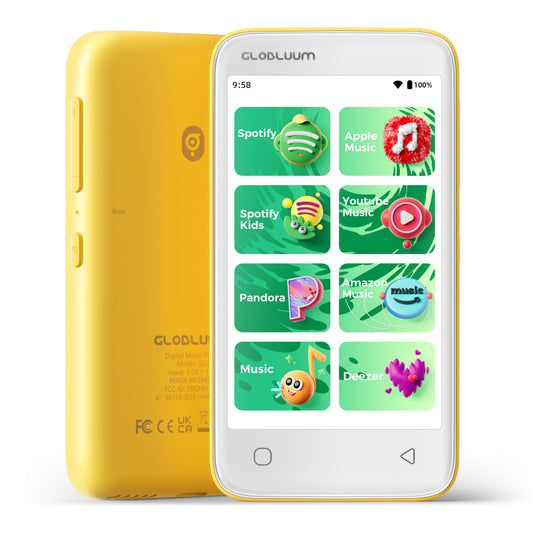
The most compelling story will win a free dedicated music player – the kind that never pops up a notification – plus a cash reward.
Click the link below to learn more:
👉 Share your story – Every Playlist Tells A Story.